The Unexpected Role of Pests
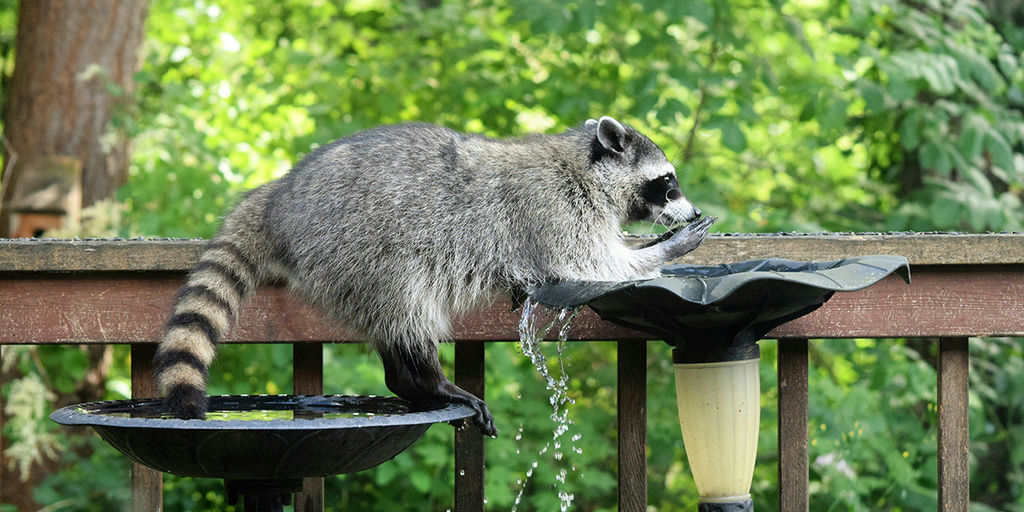
They tear up our gardens, invade our homes, and spread disease. We may refer to them as vermin, rodents, pests, or nuisances, but what if we have overlooked their ecological benefits? Each creature is equipped with traits adapted through evolution. With these evolved characteristics, they interact with certain elements of the natural world through symbiosis, which can be categorized into parasitism, commensalism, and mutualism.
You may view them as parasites, feeding off of your hard work in the garden or nibbling on your freshly painted baseboards from last month. But let’s just pause and consider the mutualistic benefits of some of these critters.
**What is a pest, and why are they a problem? **
Any organism, insect, weed, fungus, or animal is socially categorized as a pest once they cause harm, damage, or any major annoyance to humans. Pests are a problem because they cause harm to economic or ecological systems, such as a farmer’s crops.
Rats
Despite their reputation, rats actually do a bit of good in their natural ecosystem. In the wild, they are seed dispersers. While they are skittering about, they are eating nuts, seeds, and fruits. They deposit these seeds in new locations through their droppings. This, in turn, spreads more plant species and supports diversity in ecosystems. Rats break down organic materials and help recycle nutrients back into the ecosystem.
Mice
Mice are burrowers, which in the wild is beneficial for the ecosystem. Their digging aerates the soil, increasing air and water flow, and promotes the decomposition of organic matter. In turn, they encourage a more nutrient-dense soil for plants to grow. Like rats, mice are also seed dispersers; they store and collect seeds near their burrows. Mice are an important food source for several predators such as birds of prey, reptiles, and larger mammals. They play an integral role in maintaining predator-prey relationships.
Prairie Dogs
An icon of the Great Plains is the small but mighty prairie dog. Prairie dogs are a keystone species, as their burrows provide habitat for over 120 species, such as the burrowing owl, black-footed ferrets, and other arachnid and insect species. Their influence on the ecosystem promotes better digestibility, protein content, and productivity of grasses near their sites, with some cattle even preferring to graze near prairie dog sites because of the growth of nutritious plants.
Raccoons
Raccoons are opportunistic omnivores, which is just a fancy way of saying that they eat whatever is readily available. This includes birds, insects, small animals such as mice and rats, and even dead animals. They are actually great for pest management; by eating dead animals, they help slow the spread of disease. They also act as seed dispersers, which helps encourage local plant growth.
Despite their ecological roles, these animals can still pose challenges for property owners. Rather than resorting to inhumane traps and dangerous poisons, consider preventative measures like properly storing food and securing waste bins. Maybe even consider yourself an ally to these critters by cultivating a biodiverse yard and garden. By promoting a healthy ecosystem, pest populations are kept in check, turning a nuisance into a functional part of your local environment. For inspiration, check out other Earth Hero articles, such as how to make your yard a refuge.
Also see these Earth Hero articles:
- Make Your Yard a Refuge
- Growing Change: How Local Urban Agriculture Initiatives Can Transform Communities
- Building Climate Resilience: Where Function Meets Fun