Recovering Energy from Waste
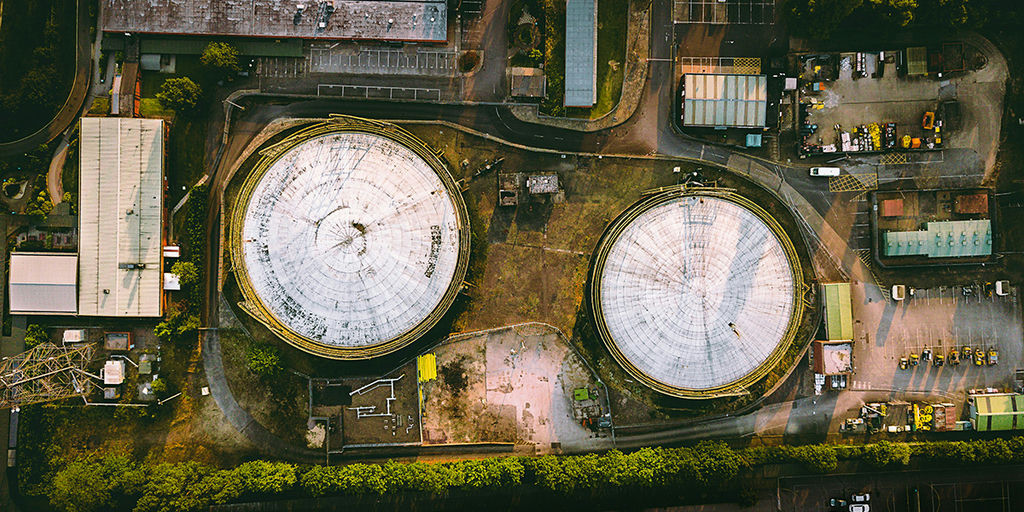
Photo by Matthew Feeney on Unsplash
In an era marked by rising consumption and pollution, waste management has become an increasingly significant environmental challenge. Methane (CH₄), a potent greenhouse gas, is among the primary concerns. Besides reducing waste in the first place, a solution may lie in waste valorization, transforming an environmental problem into an opportunity to generate energy.
In the United States, energy recovery from waste continues to represent a significant opportunity for the energy transition. In 2025, approximately 171.5 billion cubic feet of landfill gas were consumed for electricity generation, according to EIA data. This process allows for the utilization of biogas produced by the decomposition of organic matter, particularly methane. This reduces its climate impact and transforms waste into a renewable energy source.
Companies like Ameresco stand out for their work in harnessing biogas energy across various regions of the country. Using specialized technologies, the company captures gas produced by the decomposition of organic waste and converts it into electricity and renewable natural gas, contributing to the reduction of methane emissions and the development of more sustainable energy solutions.
Reducing Emissions from Landfills
In addition to contributing to renewable energy production, biogas utilization helps reduce methane emissions from landfills. This potential is particularly significant in the United States, which has thousands of landfills that offer opportunities for energy recovery from waste. Converting the captured gas into electricity or renewable natural gas allows for the utilization of a resource that might otherwise be released into the atmosphere. This process aligns waste management with decarbonization goals.
In the renewable natural gas sector, Ameresco, in partnership with waste-management company Republic Services, develops facilities that convert landfill biogas into renewable fuel. One example is the Lee County facility in Dixon, Illinois, which began commercial operation in 2025. The facility has the capacity to process 4,500 standard cubic feet of biogas per minute and produce approximately 1.2 million dekatherms of renewable energy annually for injection into the pipeline network. The project is projected to reduce CO₂ emissions by more than 61,000 metric tons per year. This initiative marks the 15th project developed by the two companies, highlighting the importance of the North American renewable natural gas market and the potential for energy recovery from waste.
The Potential for Biogas Production
The United States holds significant potential for biogas production, with approximately 17,000 additional facilities identified as viable for development, according to the American Biogas Council (ABC). As of 2025, the country had around 2,600 biogas production facilities, while capture capacity reached approximately 780.7 billion cubic feet per year. The sector continued to expand that year with 70 new projects coming online, representing over $2 billion in investment. And there remains significant scope to utilize agricultural waste, food waste, wastewater, and landfill gas for renewable energy production.
The journey in harnessing biogas and renewable natural gas reflects a progressive, sustainable path toward addressing the environmental challenges of the 21st century. As the world seeks solutions to the climate crisis, these initiatives demonstrate how innovation and technology can turn environmental problems into sustainable opportunities.